What You Need to Do if You Wind Up with a Broken Dental Crown
Posted on 5/1/2026 by Parkside Dental |
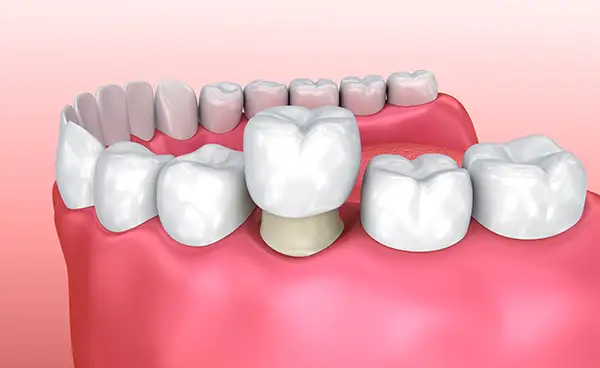 Dental crowns are a common part of restoration dentistry. They're like little helmets for your teeth, designed to protect them and restore their shape and function. But sometimes, despite our best efforts and the crown's durability, things can go wrong. A crown might chip, crack, or even completely break. If this happens to you, don't panic! Here's what you need to know and what steps you should take. Dental crowns are a common part of restoration dentistry. They're like little helmets for your teeth, designed to protect them and restore their shape and function. But sometimes, despite our best efforts and the crown's durability, things can go wrong. A crown might chip, crack, or even completely break. If this happens to you, don't panic! Here's what you need to know and what steps you should take.
Assess the Damage
First, try to stay calm. Carefully examine the broken dental crown and your mouth. Are there any sharp edges that could cut your tongue or cheek? Is the underlying tooth sensitive to air or temperature changes? Determine the extent of the damage. Is it a small chip, a large crack, or has the entire crown come off? This information will be helpful when you contact your dentist.
Retrieve the Crown (If Possible)
If the crown has come off completely, carefully retrieve it. Rinse it gently with water to remove any debris. Store it in a safe place, like a small container or zip-lock bag. Bring the broken dental crown with you to your dental appointment. Your dentist can examine it and determine if it can be re-cemented or if a new crown is needed.
Protect Your Tooth
Once the crown is gone, your tooth is vulnerable. It may be sensitive to hot, cold, and sweet foods. To protect it:
| • |
Be Gentle: Brush the area around the exposed tooth very gently. Avoid using excessive pressure. |
| • |
Use Sensitivity Toothpaste: Brush with a toothpaste designed for sensitive teeth. These toothpastes contain ingredients that can help block pain signals. |
| • |
Avoid Problem Foods: Steer clear of hard, sticky, or chewy foods that could further damage the tooth or cause discomfort. |
| • |
Over-the-Counter Pain Relief: If you experience pain, you can take over-the-counter pain relievers like ibuprofen or acetaminophen, following the package instructions. |
Contact Your Dentist Immediately
A broken or lost dental crown isn't usually a dental emergency, but it's important to contact your dentist as soon as possible. The longer you wait, the greater the risk of further damage to the tooth, shifting of other teeth, or infection. Explain the situation clearly to the receptionist and schedule an appointment. Mention if you are in pain.
Temporary Solutions
While waiting for your appointment, you may want to consider a temporary solution to protect the tooth. Pharmacies sell temporary dental cements that can be used to reattach the crown. However, these are only temporary fixes and should not be considered a long-term solution. Follow the instructions carefully, and be aware that the crown may not fit perfectly and could still come loose. If you are not comfortable using a temporary cement, you can also purchase dental wax at the drugstore to cover sharp edges of the underlying tooth.
Preventative Oral Care is Key
While crowns are strong, they are not indestructible. Maintaining good oral care habits is essential to prolonging the life of your dental crown and preventing future problems. Brush twice a day, floss daily, and see your dentist for regular check-ups and cleanings. A healthy mouth is the best defense against dental issues. Your dentist can also check the integrity of your crowns during your regular appointments.
|
|